No hot baths, saunas, steam rooms, or pools (chlorine dries the skin).
Read more...
Shower should be warm. Do not rub the epilated area with a washcloth.
Read more...
Avoid sports and active sweating - sweat can cause irritation.
Read more...
Do not use alcohol-based lotions and deodorants on treated areas.
Read more...
If you feel burning or tightness, apply products with Panthenol or Aloe Vera (2–3 times a day).
Read more...
Skin may be drier than usual - use a light moisturizing cream.
Read more...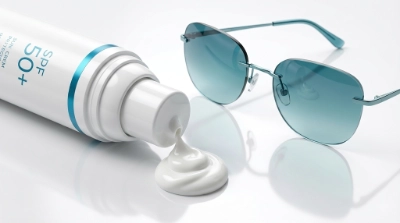
Avoid tanning. If you go out in active sun - be sure to use SPF 50+ cream on exposed areas. This will save you from pigmentation.
Read more...
Do not do peelings and cleanings in the epilated area.
Read more...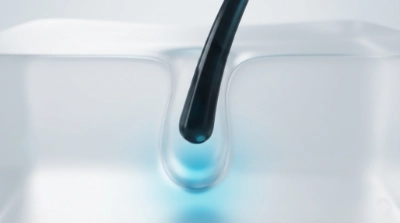
10–14 days. Dead hairs are "pushed out." This is "false growth."
Read more...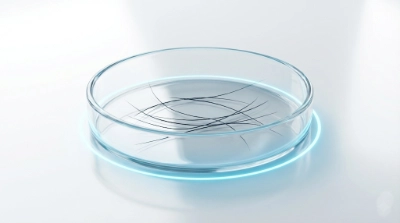
After 2 weeks. Hair begins to actively shed, skin becomes smooth.
Read more...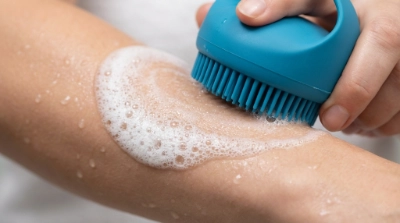
Help them. After a week, start using a soft scrub or washcloth.
Read more...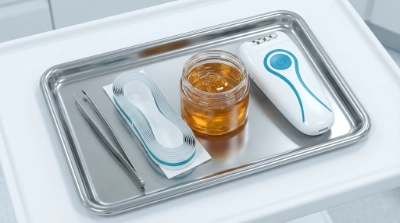
Forget about tweezers, wax, and sugaring.
Read more...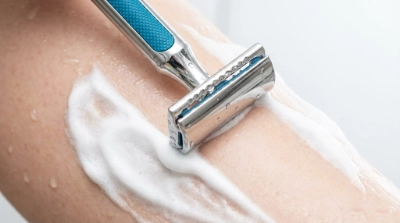
Regrowing hairs can only be shaved or removed with depilatory cream.
Read more...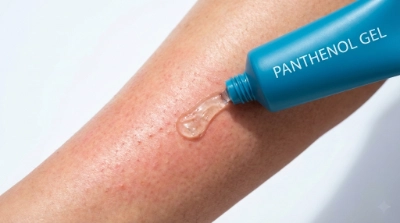
Slight redness (perifollicular edema) immediately after the procedure is normal and a sign that the follicle was successfully targeted. It usually subsides within a couple of hours.
Read more...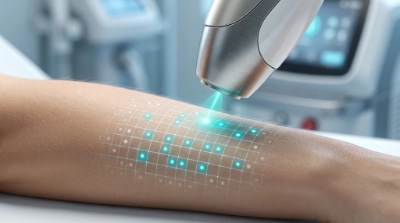
The laser removes only 15–20% of hair (anagen stage). The rest are "dormant." To remove them all, each hair must be "caught" in the growth phase. Therefore, a course of 6–12 procedures is necessary.
Read more...
Intervals: The break between the first procedures is 3–4 weeks. Then the interval increases. Do not miss visits to avoid returning to previous hair density!
Read more...
4–6 procedure. It may seem that there is more hair. Don't be scared - this is "Synchronization."
Read more...
Why? The laser awakened "dormant" follicles, and they began to grow simultaneously.
Read more...
What to do? Rejoice and come! The laser will remove maximum hair in one session.
Read more...